All Category

Turning Buyers Into an LLC
Mon Dec 25Creating a separate legal entity for buying a second home is a smart way for ordinary households to protect themselves
If you’re working with a couple interested in buying a second home as an investment property, you might suggest they talk to a lawyer about setting up a limited liability corporation or other legal entity before they buy. That way, if they’re sued by someone who was on the property after they bought it, they can limit their damages and protect their personal assets against losses.
Suppose a contractor they hire makes negligent repairs to a deck and it collapses while tenants and guests are having a barbecue. The judgment in a case like this could easily exceed the equity the owners have in the property and even the coverage limits on their insurance policy.
Or perhaps they rent the property to a person who owns a dog not covered in a typical landlord policy and the dog bites someone on the property. State Farm, for example, determines risk based on a dog's bite history not its breed. The company paid $121 million in dog bite claims in 2016 at an average of $33,000 a claim. A claim of that amount might exceed the equity the homeowners have in their property. That could make their personal assets vulnerable to the judgment.
Or let’s say the carbon monoxide detector is faulty and the property has a 20-year-old furnace that develops cracks, releasing gas indoors. Tragically, a family of four staying in the property is killed. The owners could face four wrongful death actions caused by negligence.
Gravity of Risk
These are rare occurrences, to be sure, but they point to the gravity of risks that investment property owners can face. In fact, the scenarios illustrate one of the main differences between real estate and other types of investments like stocks or bonds: real estate can carry risks that exceed the investment in the asset.
Of course, an owner’s first layer of protection is insurance, but owners might fail to recognize that their losses can exceed coverage limits. Or there may be exceptions or carve-outs in the coverage that exclude or limit the losses. These gaps in coverage might expose the owner to unlimited liability. In today’s litigious world, $100,000, $300,000, or even $500,000 liability coverage may be inadequate. Also, owners converting their home to an investment property might not think to take out landlord or vacant property coverage.
To get the right amount of protection, buyers should strongly consider a personal liability umbrella policy with $1 million to $2 million in coverage. But they should also consider forming and running a corporation or LLC. The type of entity they can form varies and is governed by state law, but nearly all states allow incorporated entities like limited liability corporations, partnerships, C corporations, and subchapter S corporations.
Pricing Considerations
Deciding which type of entity to set up and how to structure it should be done with advice of counsel. The process may not be expensive. Depending on the area and particularities of the household, the legal work can be done for a few hundred dollars. There are also do-it-yourself forms online, but self-help isn’t recommended; these entities, whether for your own investments or your clients’, have to be set up correctly to get the maximum protection.
Investing in real estate can be a smart decision. The right property can outperform other investment vehicles. But because real estate investment comes with potential pitfalls, it makes sense to have sufficient insurance and for investors to consider setting up an LLC or other type of entity to separate their liability from their personal assets.



phase out all of their monkey research
Sun Nov 25
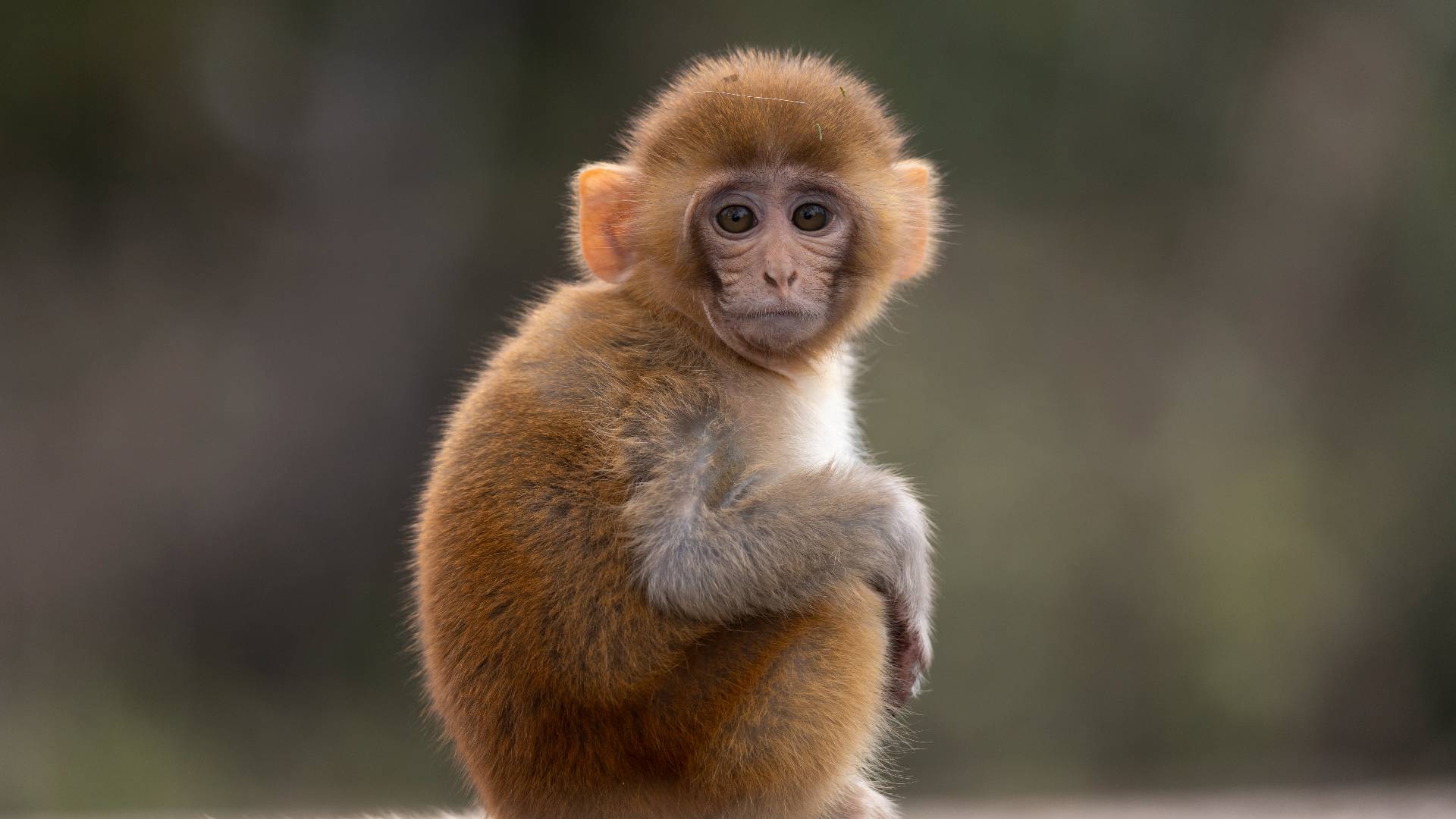
WASHINGTON, D.C. — The Physicians Committee for Responsible Medicine is applauding the Centers for Disease Control and Prevention’s (CDC) decision to phase out all research on monkeys. The medical ethics group is now urging the National Institutes of Health (NIH) and the Food and Drug Administration (FDA) to follow the CDC’s lead and end experiments on monkeys.
“Scientists at the U.S. Centers for Disease Control and Prevention have been told to phase out all of their monkey research,” according to an article published in the journal Science on Nov. 21, 2025.
“This move is historic. For the first time, a U.S. agency is choosing modern, human-relevant science over a failed system of monkey experiments,” says Janine McCarthy, MPH, acting director of research policy for the Physicians Committee for Responsible Medicine. “Now, the CDC should use that funding to transition to human-relevant research and to ensure that these monkeys are sent to sanctuaries for the remainder of their lives.”
McCarthy added, “The CDC just sent a message to the entire biomedical establishment: The era of monkey experimentation is over.”
The CDC’s decision comes as the public health risks of monkey experimentation have become impossible to ignore. Over the past two decades, at least 15 monkey escapes from U.S. research facilities or transport have been publicly reported, each posing potential zoonotic disease risks to laboratory workers, first responders, transport personnel, and surrounding communities.
Beyond the safety risks, the scientific limitations of monkey research have been well documented. Nearly 92% of drugs that show promise in animal testing—often involving primates—fail when they enter human trials because they don’t translate to human safety or efficacy.
While both the NIH and the FDA have announced commitments to reducing their reliance on animal research, each continues to conduct experiments on monkeys. The Physicians Committee is calling on both agencies to accelerate the transition to modern, human-based methods such as organoids, organ chips, and other advanced technologies that better model human biology and disease.
The Physicians Committee also emphasized the need for dedicated federal funding to ensure the safe and humane placement of the approximately 200 macaques currently housed in CDC facilities into accredited sanctuaries. Sanctuary placement will be essential to completing the transition away from primate research responsibly and transparently.
A Physicians Committee/Morning Consult survey found that the vast majority favoring phasing out animal experiments in favor or other human-relevant research methods.